
What is CRM and Why Does Your Dubai Business Need One?
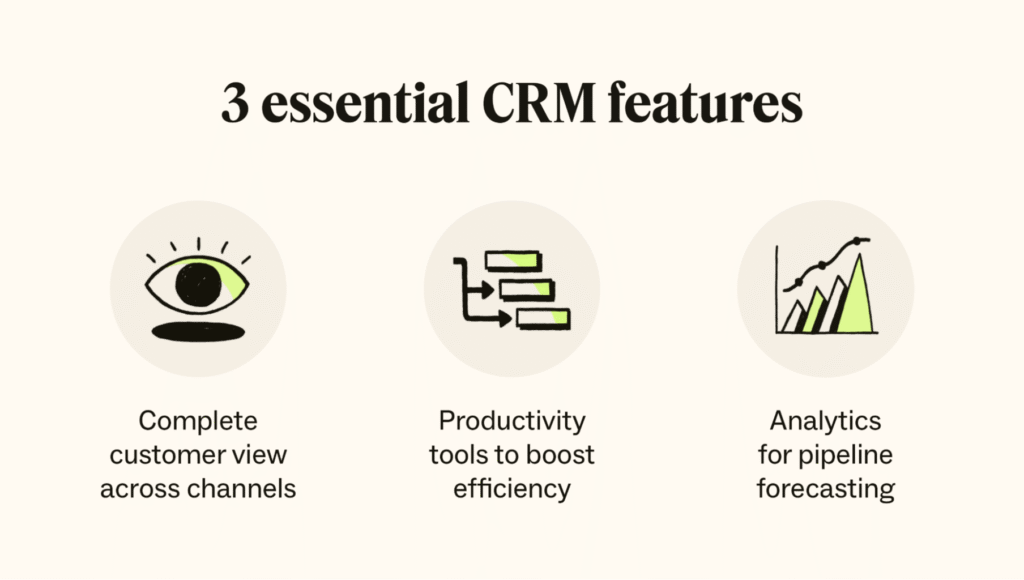
Understanding the intricacies of website development cost Dubai is crucial, but so is grasping the foundational technology that drives business growth. In today’s competitive landscape, especially in a dynamic market like Dubai, businesses need every edge they can get. This is where Customer Relationship Management (CRM) systems come into play, transforming how you interact with your clients and manage your operations. Let’s explore what CRM is and why your Dubai business absolutely needs one. What Exactly is CRM? CRM stands for Customer Relationship Management. At its core, a CRM is a technology system designed to manage and analyze customer interactions and data throughout the customer lifecycle. The goal is to improve business relationships with customers, assist in customer retention, and drive sales growth. Think of it as a centralized hub for all your customer information – contact details, purchase history, communication logs, service requests, and even marketing campaign engagement. Instead of scattered spreadsheets, sticky notes, and overflowing inboxes, a CRM provides a unified view of each customer. This allows your sales, marketing, and customer service teams to collaborate effectively, providing a seamless and personalized experience for every individual who interacts with your business in Dubai. It’s about understanding your customers better, anticipating their needs, and building stronger, more loyal relationships, which is paramount for any business aiming for sustained success in the UAE. The Core Benefits of Implementing a CRM Implementing a CRM system offers a multitude of benefits that directly impact your bottom line and operational efficiency. Firstly, it significantly enhances customer service. With a 360-degree view of each customer, your support team can quickly access relevant information, resolve issues faster, and offer more personalized assistance. This leads to higher customer satisfaction and loyalty. Secondly, CRMs streamline sales processes. They automate repetitive tasks like lead tracking, follow-ups, and data entry, freeing up your sales team to focus on selling. This improved efficiency can lead to increased conversion rates and shorter sales cycles. Thirdly, marketing efforts become more targeted and effective. By segmenting your customer base based on demographics, purchase history, or behavior, you can create highly personalized marketing campaigns that resonate with specific audiences, maximizing your ROI. For businesses in Dubai, where competition is fierce, these benefits are not just advantageous; they are essential for survival and growth. A well-implemented CRM can be the differentiator that sets you apart. Boosting Sales and Marketing Effectiveness in Dubai For any business operating in Dubai, a robust CRM is a game-changer for sales and marketing. Imagine your sales team having instant access to a prospect’s entire interaction history – from their first website visit to previous inquiries. This allows for highly personalized pitches and timely follow-ups, significantly increasing the chances of closing a deal. Marketing teams can leverage CRM data to segment their audience with precision. Instead of generic email blasts, you can send targeted offers to customers who have previously shown interest in specific products or services. This level of personalization not only boosts engagement but also improves conversion rates, making your marketing spend far more efficient. Furthermore, CRMs help in identifying your most valuable customers, allowing you to nurture those relationships and encourage repeat business. In the fast-paced Dubai market, being able to quickly understand and respond to customer needs is a critical competitive advantage. The insights gained from a CRM can guide your business development strategies and help you capitalize on emerging opportunities within the UAE. Key CRM Features for Dubai Businesses When selecting a CRM for your Dubai-based business, certain features are particularly crucial: Contact Management: A centralized database for all customer and prospect information. Sales Automation: Tools to automate lead scoring, follow-up reminders, and deal tracking. Marketing Automation: Capabilities for email marketing, campaign management, and lead nurturing. Customer Service Tools: Ticketing systems, knowledge bases, and communication logs for efficient support. Reporting and Analytics: Dashboards and reports to track sales performance, customer behavior, and marketing ROI. Mobile Accessibility: Essential for teams on the go, allowing access to data from anywhere in Dubai. Enhancing Customer Service and Retention Exceptional customer service is a cornerstone of any successful business, and in a cosmopolitan hub like Dubai, customer expectations are exceptionally high. A CRM system empowers your customer service team to deliver this excellence consistently. By providing a unified view of customer history, including past purchases, support tickets, and communication logs, your agents can quickly understand the context of any interaction. This means customers don’t have to repeat themselves, leading to a smoother and more positive experience. Proactive issue resolution becomes possible as well. A CRM can flag recurring problems or identify customers who might be at risk of churn, allowing your team to reach out proactively with solutions or special offers. This not only resolves issues before they escalate but also demonstrates that you value your customers. Ultimately, improved customer service directly translates to increased customer retention, which is significantly more cost-effective than acquiring new customers. For businesses in the UAE, building a loyal customer base is key to long-term sustainability and growth. CRM vs. Traditional Methods: A Comparison The difference between using a CRM and relying on traditional methods like spreadsheets, emails, and manual notes is stark. Traditional methods are prone to human error, data silos, and inefficiency. Information gets lost, duplicated, or becomes outdated. Tracking leads and follow-ups is a manual, time-consuming process that often leads to missed opportunities. Customer interactions are fragmented, making it difficult to get a comprehensive understanding of their journey. In contrast, a CRM offers automation, standardization, and a single source of truth. It provides real-time data, robust reporting, and seamless collaboration across departments. For a business in Dubai, where speed and accuracy are vital, the advantages of a CRM are undeniable. It allows you to scale your operations without compromising on the quality of customer relationships. Feature Traditional Methods (Spreadsheets, Email) CRM System Data Organization Scattered, prone to errors, difficult to update Centralized, standardized, real-time updates Lead Tracking Manual, time-consuming, high risk of missed opportunities Automated, systematic, improved follow-up rates Customer View
How Much Does Website Development Cost in Dubai?
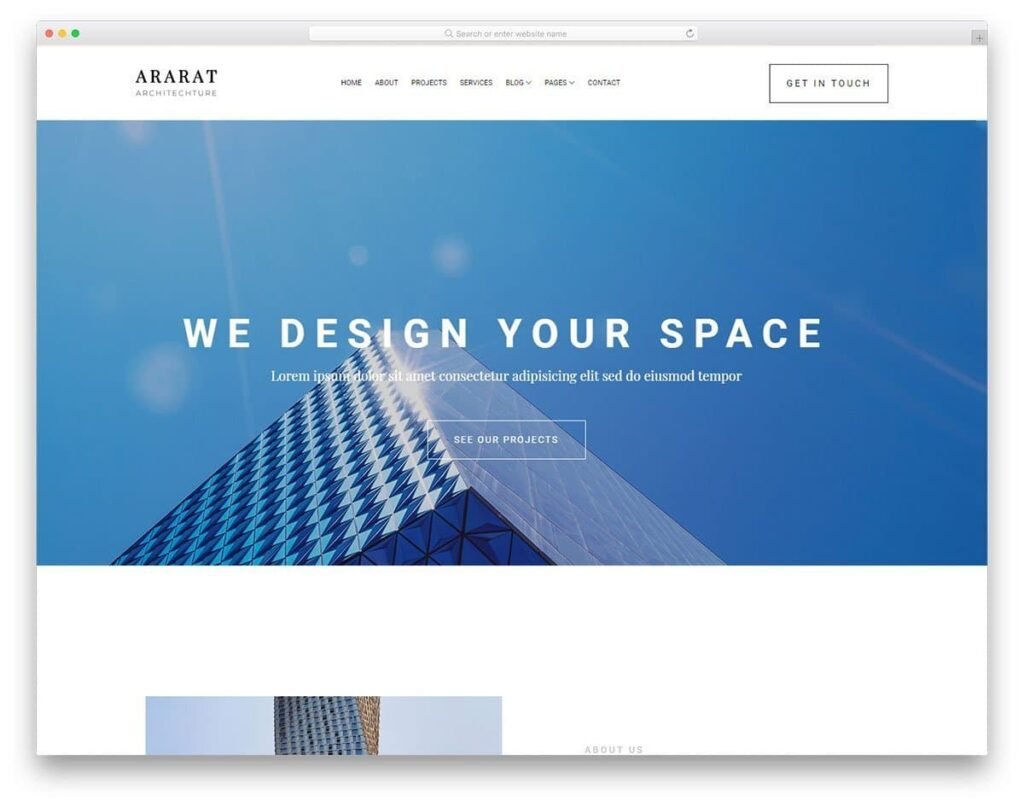
Embarking on a digital journey in Dubai often starts with a powerful online presence. Understanding the website development cost in Dubai is crucial for businesses aiming to capture this dynamic market. From sleek corporate sites to robust e-commerce platforms, the investment varies significantly. This guide will demystify the factors influencing your project’s budget, helping you make informed decisions to achieve your online goals in the UAE. Factors Influencing Website Development Cost in Dubai The final price tag for your website development project in Dubai is a complex equation influenced by numerous variables. Think of it like building a physical structure; the size, complexity, materials, and finishing touches all contribute to the overall cost. For digital assets, these translate into features, design intricacy, content management systems, and integrations. A basic informational website will naturally cost less than an advanced e-commerce solution with custom functionalities. The chosen development approach also plays a role. Are you opting for a template-based design, a content management system (CMS) like WordPress, or a completely custom-coded platform? Each has its own cost implications. Furthermore, the experience and reputation of the development agency in Dubai will affect pricing, with established firms often commanding higher rates due to their proven track record and expertise. When budgeting for your online presence in Dubai, it’s essential to consider these foundational elements as they form the bedrock of your investment. The demand for high-quality digital solutions in the UAE means that agencies are often booked, so planning ahead is also a wise strategy to secure the best talent at a competitive rate, impacting your overall website development cost dubai. Understanding the Different Types of Websites and Their Costs The type of website you envision directly correlates with its development cost in Dubai. Let’s break down some common categories: Static Websites: These are the simplest form, typically consisting of a few pages with fixed content that doesn’t change frequently. They are ideal for small businesses or personal portfolios needing a basic online presence. The cost is generally lower due to their straightforward design and functionality. Dynamic Websites: These sites allow for user interaction and content updates. Think blogs, news portals, or company websites with frequently updated sections. They often utilize a CMS, making content management easier but increasing development complexity and, consequently, cost. E-commerce Websites: Building an online store involves intricate functionalities like product catalogs, shopping carts, payment gateway integrations, inventory management, and secure checkout processes. These are significantly more complex and thus command a higher website development cost in Dubai. Web Applications: These are highly interactive and complex platforms, akin to software delivered via a web browser. Examples include project management tools, social networking sites, or booking systems. Their custom nature and extensive feature sets make them the most expensive to develop. In Dubai, the demand for visually appealing and highly functional e-commerce and web applications is substantial, driving the need for specialized development expertise. This specialization, coupled with the advanced features required, naturally influences the overall website development cost dubai. The Role of Design and User Experience (UX) in Pricing The aesthetic appeal and usability of your website are paramount, especially in a competitive market like Dubai. High-quality design and a seamless user experience (UX) don’t just happen; they require skilled professionals and significant effort, directly impacting the website development cost in Dubai. A custom-designed website, tailored to your brand identity and target audience, will inherently cost more than a template-based solution. This includes the creation of unique wireframes, mockups, and prototypes that ensure intuitive navigation and engaging interactions. UX designers focus on understanding user behaviour, conducting research, and implementing strategies that make your website easy and enjoyable to use. Features like responsive design (ensuring your site looks great on all devices), interactive elements, custom animations, and accessibility compliance all add to the development time and expertise needed, thus increasing the overall investment. In Dubai, where first impressions are critical, investing in superior design and UX is not just a luxury but a necessity for standing out and converting visitors into loyal customers. Custom Features and Integrations: Driving Up the Cost While standard website functionalities cover basic needs, many businesses in Dubai require unique features and integrations to gain a competitive edge. These custom elements are often the primary drivers behind a higher website development cost in Dubai. Consider functionalities like customer relationship management (CRM) integration, third-party API connections (e.g., for booking systems, social media feeds, or analytics), advanced search filters, personalized user dashboards, or complex backend logic. Each custom feature necessitates bespoke coding and rigorous testing to ensure it functions flawlessly and integrates seamlessly with the rest of your website. The more complex and unique these requirements, the more development hours are involved, and the higher the cost will be. For instance, integrating a proprietary inventory management system or developing a custom loyalty program will significantly increase the project scope and budget compared to a standard contact form. Inovista UAE specializes in building these sophisticated solutions tailored to the specific needs of businesses operating within the UAE. Why Choose Inovista UAE for Your Website Development Needs? Navigating the complexities of website development in Dubai requires a partner with local understanding and global expertise. At Inovista UAE, we pride ourselves on delivering exceptional digital solutions that drive business growth. Our team of seasoned professionals is adept at understanding the nuances of the Dubai market, ensuring your website not only looks stunning but also performs optimally. We offer a comprehensive suite of services, from initial strategy and custom design to development, deployment, and ongoing maintenance. Our commitment to quality, transparency, and client satisfaction sets us apart. We believe in building long-term partnerships, working collaboratively with you to bring your vision to life and achieve your business objectives. Whether you need a cutting-edge e-commerce platform, a robust web application, or a compelling corporate website, Inovista UAE has the skills and experience to exceed your expectations. 📞 Call us at +971 55 599 2900 or visit C1 Building Free Zone, Ajman, UAE. Free